

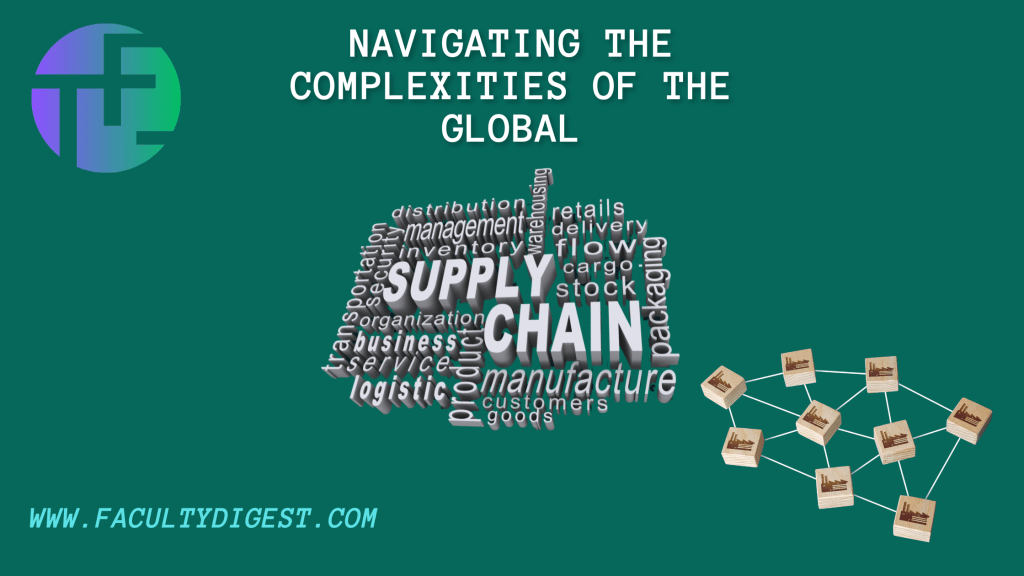
The global supply chain is a vast and intricate network connecting businesses, economies, and consumers worldwide. It’s a dynamic system constantly in flux, influenced by a multitude of factors ranging from geopolitical events and technological advancements to shifting consumer demands and environmental concerns. Recent years have thrown the spotlight on the fragility of global supply chains, with disruptions causing significant challenges for businesses across all sectors. To thrive in this complex environment, companies need to leverage actionable market intelligence to understand past trends, navigate current challenges, and anticipate future disruptions. This article dives deep into the intricacies of the global supply chain, offering insights and strategies to help businesses make profitable decisions.
Learning from the Past: A Global Supply Chain Retrospective
The past few years have served as a harsh reminder of the vulnerabilities inherent in global supply chains. Events like the COVID-19 pandemic, the Suez Canal blockage, and the war in Ukraine have exposed critical weaknesses in traditional supply chain models.
- The COVID-19 pandemic triggered a global crisis, revealing the dangers of over-reliance on single-source suppliers and just-in-time inventory practices. Border closures, factory shutdowns, and labor shortages led to widespread disruptions, delays, and shortages of critical goods. This exposed the need for greater diversification, flexibility, and resilience within global supply chains.
- The Suez Canal blockage in 2021, when a massive container ship ran aground, brought global trade to a standstill. This incident vividly illustrated the interconnectedness of the global supply chain and the cascading effects of seemingly isolated events. It highlighted the importance of risk assessment, contingency planning, and real-time visibility across the entire supply chain network.
- The ongoing conflict in Ukraine has further destabilized the global supply chain, particularly in the energy and agricultural sectors. Disruptions to the flow of raw materials, commodities, and finished goods have contributed to rising prices, shortages, and economic uncertainty. This underscores the need for businesses to actively monitor geopolitical risks, diversify sourcing strategies, and build strong relationships with suppliers in multiple regions.
These events have provided valuable lessons for businesses, emphasizing the need for proactive risk management, agile response strategies, and a shift towards more robust and resilient global supply chain models.
Navigating the Present: Current Challenges and Opportunities in the Global Supply Chain
The current global supply chain landscape is fraught with challenges, but it also presents opportunities for businesses that can adapt and innovate.
- Inflation and Rising Costs: Soaring inflation rates, driven by increased energy prices, raw material costs, and transportation expenses, are putting immense pressure on businesses. To mitigate these challenges, companies need to implement cost optimization strategies, explore alternative sourcing options, and potentially adjust pricing strategies to maintain profitability.
- Geopolitical Instability: Trade wars, political tensions, sanctions, and protectionist policies are creating uncertainty and disrupting global trade flows. Businesses need to stay informed about geopolitical developments, assess potential risks, and develop contingency plans to navigate these challenges. Diversification of sourcing and manufacturing locations can help mitigate risks associated with geopolitical instability.
- Labor Shortages: A shortage of skilled labor in key sectors, including manufacturing, transportation, and logistics, is contributing to delays, bottlenecks, and increased labor costs. To address this challenge, companies need to invest in workforce development, automation technologies, and employee retention strategies.
- Sustainability Concerns: Consumers and investors are increasingly demanding environmentally and socially responsible supply chains. Businesses need to prioritize sustainability initiatives, reduce their carbon footprint, ensure ethical sourcing practices, and promote transparency across their supply chains.
Despite these challenges, opportunities exist for businesses that can adapt to the changing landscape. Companies that can leverage technology, build strong relationships with suppliers, optimize their operations, and prioritize sustainability will be well-positioned for success in the evolving global supply chain.
Looking to the Future: Emerging Trends Shaping the Global Supply Chain
Several emerging trends are poised to reshape the global supply chain in the coming years:
- Regionalization and Nearshoring: To reduce reliance on distant suppliers, mitigate geopolitical risks, and shorten lead times, many businesses are shifting production closer to their home markets or to nearby regions. This trend towards regionalization and nearshoring is expected to continue, leading to more localized and resilient supply chains.
- Digital Transformation: Technologies like artificial intelligence (AI), blockchain, Internet of Things (IoT), and cloud computing are revolutionizing the global supply chain. These technologies are enabling real-time visibility, improved demand forecasting, enhanced collaboration, and increased efficiency across the entire supply chain network.
- Automation and Robotics: Automation is playing an increasingly important role in addressing labor shortages, improving productivity, and enhancing efficiency in warehouses, factories, and transportation networks. Robotics, automated guided vehicles (AGVs), and other automation technologies are transforming operations and enabling companies to optimize their global supply chain processes.
- Circular Economy Models: The circular economy, which emphasizes waste reduction, resource efficiency, and product lifecycle management, is gaining traction in the global supply chain. Businesses are adopting circular economy principles to minimize environmental impact, reduce costs, and create new business opportunities.
Making Profitable Decisions: Leveraging Actionable Market Intelligence
In this dynamic environment, access to actionable market intelligence is crucial for making informed decisions and achieving success in the global supply chain.
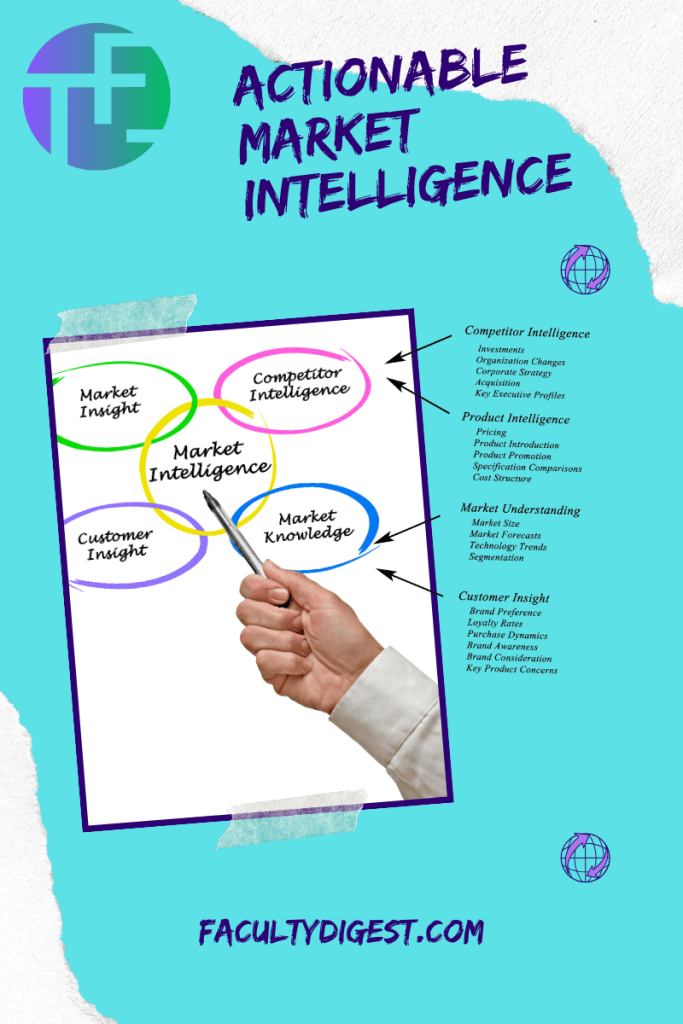
- Real-time Data and Analytics: Utilizing real-time data and analytics platforms allows businesses to track key performance indicators (KPIs), monitor supply chain disruptions, identify potential risks, and make data-driven decisions to optimize their operations.
- Market Research and Forecasting: Conducting thorough market research and leveraging advanced forecasting tools can help businesses understand market dynamics, anticipate future trends, identify new opportunities, and make informed decisions about sourcing, production, and distribution strategies.
- Competitive Intelligence: Analyzing competitor strategies, identifying best practices, and understanding industry trends can provide valuable insights and enable businesses to gain a competitive advantage in the global marketplace.
- Regulatory and Policy Updates: Staying informed about changes in trade policies, regulations, and compliance requirements is essential for ensuring smooth operations and avoiding costly penalties.
Conclusion
By leveraging these market intelligence tools and strategies, businesses can navigate the complexities of the global supply chain, mitigate risks, optimize their operations, and make profitable decisions that drive sustainable growth.
 The Faculty Global
Leave a comment